
Live Roulette UK: How the Dealer Game Works
 Available in GB

Live roulette shows a dealer spinning a physical wheel, while bets are placed through an on-screen interface.
How Live Roulette Puts the Wheel on Screen
In live dealer roulette, the wheel is not an animation standing in for a wheel. A human dealer spins a physical one in a studio, while the game is streamed in real time to a screen. Bets are entered through an on-screen interface. The arrangement joins two kinds of action: one takes place in the studio, the other on a player’s device.
That division is the defining feature. In computerised roulette, a Random Number Generator (RNG) determines the result. The screen may still show a wheel or a rolling ball, but those images are part of a digital presentation. In a live game, the wheel itself turns and the ball lands in a pocket; the video carries that event from the studio into the online game.
The distinction can sound slight until the two formats are set side by side. One presents an outcome generated by software. The other shows a physical process, conducted by a dealer and transmitted as it happens. Both are online, and both use screens, but the screen plays a different role: in one, it displays a computerised game; in the other, it acts as a window onto a real one.
Choosing live roulette in the UK can involve checking whether a table suits your preferences, including the dealer experience. This list provides a brief reference point for considering the available options.
1. Britsino
Payout speed: 1-3 business days Britsino lists a payout speed of 1–3 business days. This is the available factual detail to consider when reviewing it for live roulette.
2. x3bet
Payout speed: 1-3 business days x3bet lists a payout speed of 1–3 business days. This is the available factual detail to consider when reviewing it for live roulette.
3. Amunbet
Payout speed: 1-3 business days Amunbet lists a payout speed of 1–3 business days. This is the available factual detail to consider when reviewing it for live roulette.
4. BeOnBet
Payout speed: 1-3 business days BeOnBet lists a payout speed of 1–3 business days. This is the available factual detail to consider when reviewing it for live roulette.
5. SlotoSport
Payout speed: 1-3 business days SlotoSport lists a payout speed of 1–3 business days. This is the available factual detail to consider when reviewing it for live roulette.
6. Chanze
Payout speed: 1-3 business days Chanze lists a payout speed of 1–3 business days. This is the available factual detail to consider when reviewing it for live roulette.
7. Dieselwin
Payout speed: 1-3 business days Dieselwin lists a payout speed of 1–3 business days. This is the available factual detail to consider when reviewing it for live roulette.
8. Revery Play
Payout speed: 1-3 business days Revery Play lists a payout speed of 1–3 business days. This is the available factual detail to consider when reviewing it for live roulette.
9. NightWin
Payout speed: 1-3 business days NightWin lists a payout speed of 1–3 business days. This is the available factual detail to consider when reviewing it for live roulette.
10. WinBeast
Payout speed: 1-3 business days WinBeast lists a payout speed of 1–3 business days. This is the available factual detail to consider when reviewing it for live roulette.
The player’s part is also divided between watching and entering information. The wheel and dealer appear in the video stream; the betting interface sits alongside it or over it, depending on the game’s design. Selections made there are how players take part. The screen is therefore not simply a broadcast of a casino table. It combines a live picture with controls for a remote audience.
There is a small social invention in that combination. The traditional casino placed the wheel, dealer and players in one room. The online version keeps the dealer and wheel together, but separates the people betting from them—and from one another. A camera and a network carry the event across that distance. The ritual remains visible even when the room around the player is entirely different.
That visibility matters. The dealer is not just a voice or a symbol in the interface; a person is conducting the game in real time. The physical wheel gives the stream an object with a location and movement, rather than a sequence of graphics assembled to represent one. The result is still viewed through a device, but the thing being viewed exists beyond the software.
The interface has a quieter job. It translates a player’s choices into actions the remote game can register. The dealer’s side of the process is physical; the player’s side is digital. Those parts meet in the streamed game. This is why a live table can feel recognisably like roulette while also being unlike the crowded table of a land-based casino. The wheel is present, but the social distance is built into the format.
BetFoxx games and software providers
The stream also establishes a shared present. A spin is not merely a picture replayed from an earlier game: live dealer games carry gameplay from the studio as it unfolds. The viewer sees the physical wheel in motion and the dealer at work, while the interface provides a way to participate remotely. The event and its display happen together. No elaborate machinery of illusion is required. A camera, a wheel and a person are enough.
Still, “live” describes the source and timing of the game, not an invitation into the studio. The player remains outside it, encountering the table through a screen. That is a meaningful difference from being physically present: the room, the other people and the ordinary sounds of a casino are not transferred simply because the wheel is. The online format offers a view of the game, not the whole social space around it.
A roulette game on an online casino site can therefore take two quite different forms. In the computerised version, an RNG determines the result. In live dealer roulette, a dealer spins the physical wheel, and the video stream shows the action while bets are placed through the interface. The shared name describes the game; it does not erase the difference in how the outcome is produced and presented.
The wheel travels. The room does not.
Roulette in a Licensed UK Casino
A roulette wheel does not become lawful merely because it is shown on a screen. In the United Kingdom, the decisive distinction is the status of the operator behind the game: a live-dealer casino serving the British market must hold the relevant licence from the UK Gambling Commission. The studio may be somewhere else; the licensing obligation travels with the business offering gambling to customers in Great Britain.
Legal Requirement
To be lawful for customers in Great Britain, a live-dealer casino must hold a valid licence from the UK Gambling Commission.
That arrangement reflects a particular view of gambling’s place in public life. The law does not treat a casino as a room with a particular doorway or a wheel beneath a chandelier. The Gambling Act 2005 describes a casino in terms of an arrangement that gives people the opportunity to take part in casino games. The definition fits the remote world neatly: a game can be delivered across a network, but the operator is still responsible for offering it within the rules of the market it serves.
The Act applies in England, Wales and Scotland, rather than Northern Ireland. For operators serving customers in Great Britain, location does not provide an escape route: a business based abroad still needs the appropriate UK Gambling Commission licence to offer remote gambling here. A roulette casino with a studio overseas is not, on that fact alone, outside British regulation. The relevant question is whether it is offering the game to people in the regulated market.
This is why the phrase “UK casino” can describe more than a building or a company’s registered address. It points to the legal relationship between the operator and the people it serves. A site that accepts British customers for real-money play must be licensed to do so; a licence from another jurisdiction is not a substitute for the UK authorisation required in this market. Offshore casinos operate outside that UK regulatory system, and the British licence condition remains the dividing line.
Online Casinos Without ID in the UK: What It Means
There is a civic logic to that distinction. Gambling has long been treated as an activity that may be permitted, but not simply left to private custom. The state defines what counts as a casino, identifies the authority responsible for licensing, and makes the operator—not the spinning wheel—the subject of regulation. A roulette game may look much the same on a screen wherever its studio stands. Its legal setting does not.
For players aged eighteen and over, online gambling is lawful when the operator holds a UK Gambling Commission licence. That condition matters to live roulette as much as to any other casino game. The human dealer and physical wheel may give the stream the appearance of a familiar casino floor, but atmosphere is not authorisation. The licence belongs to the operator’s permission to serve the market, not to the dealer, the studio, or the game’s presentation.
The British rule also makes the word “licensed” more specific than a badge or a claim on a homepage. It refers to permission from the regulator responsible for the market. An operator’s location, branding or polished broadcast cannot by themselves establish that status. For a legal live-dealer casino serving Great Britain, the UK Gambling Commission licence is the necessary condition.
This does not make roulette a special legal category. It places roulette within the wider framework for remote casino gambling: the game is available through an arrangement offered by an operator, and that operator must meet the local licensing requirement. The wheel may be the visible centre of the experience. The regulation sits behind it, less theatrical and more consequential.
For players aged eighteen and over, online gambling is lawful only when the operator holds a UK Gambling Commission licence.
Roulette Casino Sites: The Table Is the Point
A live roulette table is not simply a roulette game filmed for decoration. Its defining feature is the meeting of two kinds of presence: a human dealer working at a physical wheel, and a remote player making decisions through an on-screen betting interface. The game is streamed in real time from a studio, so the image is of an actual table in motion rather than an animation generated to resemble one.
That distinction changes the character of the experience. Computerised roulette presents a digital game; live dealer roulette presents a person operating the familiar apparatus while the online interface carries the player’s choices back into the game. The wheel is tangible on screen, but the betting surface belongs to the software. One part is filmed; the other is clicked.
The arrangement is a small piece of theatre with a practical purpose. The dealer gives the proceedings a visible human centre, while the wheel supplies the physical object around which the game is organised. The interface, meanwhile, translates a remote player’s selection into a bet. There is no need for the online participant to sit at the studio table for the essential exchange to take place: the dealer conducts the game, and the screen provides the means to join it.
This is what roulette casino sites are offering when they describe a table as live. The word points to the source of the action, not to a promise that the player is in the room. A camera carries the studio to the screen; the betting controls make participation possible at a distance. The result is neither a traditional casino visit nor a wholly computerised game. It is a constructed meeting place, assembled from broadcast and interface.
Progressive Slots Online in the UK: How They Work
The interface matters more than its modest appearance suggests. Without it, the streamed wheel would be a spectacle to watch rather than a game to enter. With it, selections can be made on screen while the dealer continues to work at the physical table. The two sides have different jobs and do not need to imitate one another. The dealer does not become a digital icon, and the betting surface does not become a piece of felt. Their separation is the point.
That separation also explains why the table, rather than the site’s general presentation, deserves attention. A casino site may frame the game, but the live table is where its defining elements meet: the studio image, the dealer, the wheel and the controls for placing bets. An elaborate lobby cannot make a streamed table more physical; a restrained one cannot remove the human presence from it. The character of the game rests in the feed and the way the interface connects to it.
There is something distinctly modern in this arrangement, though its materials are old-fashioned. A wheel turns in a studio; a person presides over it; distant players act through a screen. The technology does not abolish the ritual of the table. It relocates participation, leaving the gestures of the casino visible while removing the need to share its room.
For anyone considering live roulette casino sites in the UK, the useful distinction is therefore not a grand claim about which site is “best”. It is the nature of the table being presented: a real-time studio stream, a human dealer and an on-screen means of placing bets. That is the format’s substance. Everything else is framing.
Mines Casino Game in the UK: Rules, Risk and Play
Choosing a Live Table Without Chasing a “Best” Label
A label such as “best live roulette casino” suggests that one table can suit everyone. In practice, a live table is a set of conditions: how quickly it moves, what it costs to join a round and whether the connection can keep the broadcast steady. Those details matter more than a universal ranking, because a table that feels manageable to one player may be too quick or too costly for another.
Pace is part of the choice. Live games move more slowly than computerised versions, with a dealer conducting the game in real time rather than a screen producing an immediate result. That can make the experience easier to follow, but it also means fewer rounds pass in a given stretch of play. The slower rhythm is not a promise of a more favourable outcome; it is simply a different use of time. A table’s pace should be considered alongside its minimum stake, since a longer session at a live table can make the cost of each decision more noticeable.
Minimum stakes deserve attention before a seat is taken. A specialist review has reported roulette and baccarat tables beginning at 20p, while blackjack tables in its comparison had higher entry limits. That is a report from one review, not a dependable rule for every operator or table. Limits can vary, and the number displayed at a particular table is more useful than a broad label about affordability. A low entry point does not, by itself, make a table suitable: the stake still needs to fit a planned budget.
Live Blackjack Online in UK Casinos: What to Know
The connection is another practical condition, not a technical footnote. Live play depends on a stable internet connection because the table is being streamed as events unfold. If the picture or sound repeatedly breaks up, it becomes harder to follow the dealer and the round. Digital roulette does not rely on the same live broadcast, so a connection that works adequately for ordinary browsing may not provide an equally reliable live experience. The table’s atmosphere is partly made of continuity; interruptions take that away.
Comparisons are more useful when they begin with these constraints than when they begin with a trophy word. “Best” may refer to a low minimum, a pace that feels comfortable, or a stream that remains clear; those are different preferences, not one measurable quality. Nor does a polished presentation settle the practical question of whether the table’s terms and limits suit the way someone intends to play. A calm-looking interface can still lead to an unsuitable stake.
There is also a small social difference in the live format. The table follows a human dealer’s routine, so the player is joining an event already in motion rather than starting a private, instant sequence on a screen. That can be appealing, but it comes with the same dependencies as any live broadcast: time, connection and the posted entry conditions. None is glamorous. All are decisive.
A sensible comparison therefore stays modest. The relevant table is not necessarily the one called the best, but the one whose pace, stated minimum and stream are compatible with the circumstances of play. No ranking can remove those conditions. The wheel keeps its own schedule.
Choosing a Live Table
- Check the table’s minimum stake against your budget
- Verify the stability of your internet connection
- Assess if the dealer’s pace is comfortable for you
- Confirm the specific roulette variant and its rules
European, American and French Roulette: The Rules That Change the Risk
Roulette can look like a single game with interchangeable tables, but the wheel’s layout changes the terms of a bet. The difference is small enough to disappear in the ceremony of the spin and large enough to matter in the arithmetic. In a casino roulette game, the colour and arrangement of the pockets are not decoration; they define how many possible results a selection must contend with.
European Roulette has one green pocket, marked zero. American Roulette has two: zero and double zero, marked 0 and 00. That extra pocket is the essential difference between the two layouts. The double zero is not another name for zero, nor a second chance attached to it. It is a separate result on both the wheel and the betting layout.
The effect appears in the stated odds of winning: American Roulette offers odds of one in thirty-eight, while European Roulette offers one in thirty-seven. The change is not dramatic in the theatre of a single spin. A ball still circles, slows and settles; the table still invites the same broad division between numbers, colours and other selections. But the additional green pocket gives the American layout another result that can defeat a bet placed elsewhere.
That is why the label on the table deserves more attention than its visual familiarity. The two versions may share the same basic appearance, and a player moving between them may recognise the betting interface immediately. Yet familiarity with the layout does not make their chances identical. The green pocket is quiet, but consequential.
A roulette casino game in the UK may therefore present a choice that is less about atmosphere than structure. European Roulette has the single zero; American Roulette has zero and double zero. The odds given for the two versions follow that distinction. A table’s name is not a flourish. It tells what kind of wheel is in play.
Online Casino Tournaments UK: Free Entry Explained
French Roulette adds a different point of interest. Its relevant rule concerns even-money bets when the ball lands on zero: rather than losing the entire stake, the player loses only half. The rule changes what happens to that particular bet at zero; it does not turn zero into a winning result, or remove the uncertainty of the spin. The distinction is modest in wording and material in consequence.
The rule also shows how roulette’s conventions can be altered without changing its central spectacle. The ball still has to come to rest, and the selected outcome still matters. What changes is the settlement of an even-money wager in the special case of zero. A rule can soften a loss without abolishing it.
For casino roulette games, then, the useful comparison is not simply European against American, with French treated as a decorative label. The first comparison concerns the number of green pockets and the odds attached to the two layouts. The French rule concerns how an even-money bet is treated when zero appears. These are separate features, and they should not be collapsed into one vague idea of a “better” wheel.
The wheel’s appearance is old-fashioned; its distinctions are exact. One pocket, two pockets, or a different rule at zero: that is where the risk changes.
Playing for Real Money: Pace, Stakes and the House Edge
Real-money play changes the weight of each decision. A live roulette table moves more slowly than a digital version: bets are placed through the interface, the dealer runs the physical game, and the round advances at the table’s pace. That interval can make each spin feel more deliberate, but it also means fewer rounds pass in the same stretch of time. The wheel does not hurry for anyone.
Attention: Live games tend to set higher minimum bets than digital versions, which may require a larger financial commitment.
The practical threshold is not just the amount staked on a single spin. Live games tend to set higher minimum bets than their digital counterparts, so a table that looks accessible on screen may still ask for a larger commitment than expected. A stake should fit a budget decided before play begins, rather than being raised in response to a run of losses or wins. Neither outcome turns the next spin into a debt owed by the wheel.
A stable internet connection matters for a different reason: the game unfolds in real time. Interruptions can make it harder to follow the dealer and the betting window, and the pace leaves less room for a connection to catch up. This is not merely a matter of image quality. The interface is where a real-money decision is made.
The house edge gives a more durable measure of the cost built into the game. A straight-up bet, which selects one number, carries a 2.9% house edge. Other roulette bets carry a 2.7% edge. These figures describe the mathematical advantage held by the casino over time; they do not predict the result of an individual spin, nor promise that a session will resemble an average. A number can win on one spin and lose repeatedly on another. The arithmetic remains indifferent.
That small difference between bet types is easy to mistake for a strategy. It is not a route to reliable profit: the edge remains with the house, and short runs can depart sharply from long-run expectations. The pace of live play may make decisions feel more considered, but it does not alter the underlying calculation.
Bonus Buy Slots UK: Demo Play, Rules and Features
Playing roulette for real money is therefore less about finding a clever rhythm than recognising the conditions of the game: slower rounds, higher minimums, a dependable connection and a built-in house advantage. The budget sets the boundary; the table does not. Content about gambling is for entertainment purposes only and is not gambling advice.
Free Roulette: Practice Is Not a Payout
A free roulette game can make the table feel familiar without putting real money at stake. It can show where bets are placed on screen and how a round is presented, but its result has no cash value. A balance displayed in a free game is part of the play experience, not money waiting to be withdrawn. Practice, in this sense, is rehearsal rather than a source of income.
The distinction matters because “roulette” can describe two different ways of producing a spin. In live roulette, a dealer turns a physical wheel and the ball lands in one of its pockets. Computerised roulette instead uses a Random Number Generator, or RNG, to determine the result. A free game may use that computerised format, even when its graphics imitate the look of a casino table. A convincing image is not a physical wheel.
That difference sets a limit on what free play can represent. It may offer a way to become accustomed to an on-screen betting interface, but it does not recreate the presence of a live dealer or the movement of a real ball. Nor does success in a free game turn into a payout. The setting can borrow the theatre; it cannot borrow the money.
A free roulette game uses a balance with no cash value; it is a tool for rehearsal and interface practice, not a source of income.
The rules shown on a free table still deserve attention. Roulette games can differ in their layouts and conditions, so a familiar-looking screen is not proof that every table follows the same rules. French Roulette, for instance, has a rule affecting even-money bets when the ball lands on zero; that detail belongs to the rules of the particular game, not to the mere fact that it is free. The table information is more useful than its decorative resemblance to another version.
A free roulette casino game can therefore be treated as a low-pressure introduction to the interface, provided its limits remain clear. It may help explain where a selection is made and how the game displays a result. It cannot demonstrate what it feels like to watch a physical wheel, and it cannot establish that a result in one format predicts anything in another.
For a UK audience, the word “free” should not be mistaken for a promise of winnings. No real payout follows from a practice balance. The game may offer a harmless-looking imitation of casino play, but the imitation has its own boundary. Practice is not a payout.
Bonuses, Wagering Terms and Live Roulette
A promotion can look like a single pot of value while its terms quietly divide games into different classes. For live roulette, the important detail is often not the headline bonus but how much each game contributes towards the wagering requirement attached to it. Live games may receive only a small weighting; one stated example is 10%. In practice, that means eligible roulette play can count for less than the amount staked when the requirement is calculated.
Penny Slots in the UK: Stakes, Free Play and RTP
The distinction is contractual, not a judgement on the game. A bonus may be available to a casino account while being largely unusable at its live tables. Terms can specify which games qualify, how their contribution is calculated, and whether a promotion has other restrictions. Those details matter more than the word “roulette” in an offer’s headline. A roulette casino bonus is not necessarily a bonus that roulette can meaningfully clear.
Welcome promotions are often shaped around slots instead. A specialist review describes most UK welcome offers as free spins on slots, which cannot be used at live tables. That is a description of the offers it reviewed, not a guarantee about every operator or a permanent feature of the market. The design reflects a familiar commercial separation: the promotion is attached to one part of the casino, while the live table remains outside it.
The same care applies to no-deposit offers. The label alone does not establish that live roulette is included, or that any winnings from eligible play can be withdrawn without conditions. The terms determine what counts, and under what conditions. Before opting in, the wagering requirement, game weighting and maximum bet limit should all be checked; a generous-looking headline can conceal a narrow route through the rules.
Promotions are written as arithmetic, but experienced as time and restricted choice. A low contribution rate can make a requirement slower to meet, while an excluded table contributes nothing at all. Neither outcome changes the underlying game; it changes what the promotion recognises.
This is information for entertainment, not gambling advice. A bonus is not a reason to increase a budget or continue play beyond its limit. The small print is the offer.
Do
- Check game weightings for live tables
- Review maximum bet limits in the terms
- Verify wagering requirements for bonuses
Don’t
- Assume a welcome bonus applies to live roulette
- Rely on a headline bonus without reading the print
- Use a no-deposit offer without checking conditions
What Roulette Odds Can—and Cannot—Say About Winning
The wish to find a reliable way to win at roulette is understandable. A wheel turns, a ball settles, and the result looks like a small event with a pattern waiting to be discovered. But an outcome that can be watched is not necessarily one that can be forecast. The house edge describes the game’s built-in mathematical advantage; it does not identify what the next spin will do.
The stated house edge is 2.9% for a straight-up bet and 2.7% for other bets. These figures are measures of the game’s structure, not a prediction that a particular player will lose a matching fraction in a session. A short run can produce a win, a loss or a sequence that feels uncannily orderly. None of those outcomes alters the underlying edge.
That distinction matters more than any supposed “best way” to play. A system may rearrange how bets are made, but a new pattern of staking does not remove the house advantage. Nor does a previous result make a number due, or make it safer to repeat a number that has appeared before. The wheel has no memory. Human beings, inconveniently, do.
Claims about winning every time confuse control over a decision with control over chance. Players can choose whether to take part and how much they are prepared to risk; they cannot choose the result of a spin. That is true at a physical table and in electronic roulette. A record of past outcomes may describe what happened, but it cannot turn those outcomes into a reliable forecast.
The figures also do not rank every possible choice as a route to profit. The difference between the stated edges is small, and neither figure is a promise of return. A lower house edge still leaves the house with an advantage. There is no clever phrasing that makes that disappear.
A sensible account of roulette therefore begins with limits rather than a winning recipe: set a budget before play and stop when it is reached. Past wins are not evidence of a method, and losses are not debts the next spin must repay. The game offers uncertainty dressed as ceremony. The ceremony is not a signal. This is entertainment, not gambling advice.
Online European Roulette in UK Casinos: Rules and Odds
Lightning Roulette: What the Verified Facts Do Not Establish
The name Lightning Roulette may appear beside casino listings or in descriptions of a live casino, but a name is not a rulebook. It does not establish how a round works, what features are included, or what odds apply. Those details belong to the game’s own rules and paytable, not to assumptions borrowed from roulette in general.
That distinction matters. Live roulette broadly involves a dealer spinning a physical wheel while bets are placed through an on-screen interface. It would be a mistake to treat that description as confirmation of how every game bearing a roulette name operates. Nor do general facts about European or American Roulette settle the question: the wheel layout, available bets and payouts for a particular title need to be stated specifically.
The same restraint applies to claims about Lightning Roulette casinos in the UK. A page describing a casino as offering a live version does not, by itself, explain the game’s mechanics or establish its odds. Promotional language can make a title sound self-explanatory. It is not.
Before playing, the useful evidence is the game’s own rules and paytable, including how bets are settled and what any special feature changes. If those details are not clearly presented, there is no sound basis for inferring them from the word “Lightning”, from another roulette game, or from a general casino description. Roulette’s familiar vocabulary can disguise important differences.
This also keeps expectations in proportion. No label, feature name or past result turns a roulette outcome into a prediction. Lightning Roulette slots is an especially muddled phrase: a roulette title should not be assumed to be a slot simply because the words appear together in a listing.
The prudent account is a narrow one: the name indicates a roulette-themed product, while its specific rules and odds require confirmation from its own documentation. Beyond that, certainty would be theatre.
Is the house edge the same at online live dealer casinos?
No, it varies by game and bet. In roulette, straight-up bets have a 2.9% house edge, while other bets have a 2.7% edge; French Roulette reduces losses on even-money bets when the ball lands on zero.
What is the difference between European and American Roulette?
American Roulette has both 0 and 00, while European Roulette has only 0. The odds of winning are 1 in 38 on American Roulette and 1 in 37 on European Roulette.
Why does the dealer always win in blackjack?
The dealer does not always win: players aim to beat the dealer by reaching 21 or as close as possible without going over. Blackjack still has a house edge, so players can lose.
How does the house edge change between games?
It varies with the game and its rules. In roulette, the house edge is 2.9% on straight-up bets and 2.7% on other bets; in baccarat, winning Banker bets typically incur a 5% commission.
How do you choose a live dealer casino?
For play in Great Britain, choose an operator licensed by the UK Gambling Commission. Also check the table’s minimum bet and make sure you have a stable internet connection.
What are the different types of roulette you can play with a live dealer?
The roulette types covered here include European, American and French Roulette. American Roulette has a 00 pocket, while French Roulette has a rule that returns half of an even-money bet when the ball lands on zero.
BetFoxx games and software providers

BetFoxx live casino guide
BetFoxx offers live casino games, including live roulette, live blackjack and live baccarat formats. Current...

Aviator Casino Game in the UK: How Sites Differ
The guide distinguishes UKGC-licensed casinos from offshore platforms and examines play options, bonus terms, chance...

3-Reel Slots in the UK: Classic Format Explained
The familiar reel layout is a digital format, not a physical fruit machine, and it...

5-Reel Slots in the UK: How They Work
Five-reel slots bring symbols together across a shared field, while demo play, bonus features and...

Bonus Buy Slots UK: Demo Play, Rules and Features
A practical look at demo play, feature controls, slot variance and how bonus-buy options shape...

Fast Payout UK Casinos: What Keno Paytables Tell You
Keno’s paytable sets possible prizes from picks and catches, while casino withdrawal processing is a...

First-Deposit Casino Bonuses in the UK: What to Know
A first deposit links an account payment to a promotion, while eligibility, bonus value and...

High-Volatility Slots in the UK: What to Know
Volatility describes how returns are distributed over play, from frequent smaller wins to less frequent,...

Highest RTP Slots in the UK: How to Assess Claims
RTP can compare expected returns over extensive play, but it cannot predict an individual session...

Keno Casinos in the UK: Games, Odds and Play
Keno uses a shared field of 80 numbers, but game formats, selection sizes and paytables...

Live Casino in the UK: How Online Tables Work
A live casino combines a streamed table with online controls, while payment rules, game formats...

Low-Volatility Slots in the UK: How They Work
Low volatility tends to mean smaller, more frequent wins, but it does not promise a...

Online Slot Payout Percentages and What RTP Means
The percentage describes expected returns across repeated play, not a guaranteed share back on any...

Progressive Jackpot Slots: How the Prizes Grow
Progressive prizes grow from qualifying wagers, unlike fixed slot payouts that follow the values set...

RTP Casino Slots UK: How Long-Run Returns Work
RTP describes a slot’s theoretical share of stakes returned as prizes over many plays, not...

Video Slots UK: Reels, Rules and How They Play
Reels, paylines and bonus features determine how slot results are formed and how play moves...

UK Casino Dice Games: How Digital Play Works
Some online dice-style games use random-number processes to determine outcomes, while on-screen animations give those...

Chicken Road Game in UK Casinos: What to Know
A practical guide to the slot label, online play, demo limits, casino rewards and the...

Classic Slots Online in the UK: How They Work
Explore familiar reel layouts, symbols, features and browser play, while keeping in mind that classic...

Crash Casino Games in the UK: Rules and Fairness
The guide distinguishes UK-licensed casinos from offshore platforms and explains how offers, game mechanics, fairness...

Crazy Time Live Casino Game in the UK Explained
A guide to the live studio format, casino interfaces, bonus terms and the limits of...

Deal or No Deal Casino UK: How the Game Works
The article traces the game from its television origins to online play, clarifying what demos,...

Fastest Payout Online Casino UK: What Can Be Proven
A meaningful speed comparison needs a defined event, start and end points, and equivalent terms...

French Roulette Online Casinos in the UK: Rules
French roulette pairs a 37-pocket wheel with rules such as La Partage, while online formats...

Fruit Machine Slots in the UK: From Pubs to Online
The guide traces familiar fruit-machine features into digital play, including reels, symbols, holds, nudges and...

Hi-Lo Casino UK: Rules, Ties and Online Play
Hi-Lo rules vary: ties may lose or have their own wager, while online and live...

Jackpot Mobile Casinos in the UK: A Practical Guide
Jackpot labels can describe different prize structures, while mobile play, promotions and payment terms shape...

JetX Casino Game in the UK: How It Works
A closer look at JetX’s crash-game format, randomness, casino offers, platform protections and the limits...

Live Casino Lightning Roulette in the UK
A physical dealer-spun wheel supplies the result, while the stream and betting interface bring the...

Live Baccarat Online Casino UK: Rules and Tables
Baccarat compares Player and Banker hands against nine, with dealing rules shaping how each round...

Live Blackjack Online in UK Casinos: What to Know
Live play has a slower rhythm and higher minimum bets, while table options, trust checks...

Live Dream Catcher Casino UK: How the Format Works
A guide to the live-dealer setup, game mechanics and checks that matter before play. The...

Mines Casino Game in the UK: Rules, Risk and Play
The guide separates demo and real-money play, explains casino randomness, and sets out what UK...

Monopoly Live Casino UK: How Live Play Works
A practical look at the studio stream, operator suitability, game mechanics, demo play and the...

Online Bingo UK: Tickets, Patterns and Slot Games
Bingo formats, ticket stakes and slot games are explained alongside the steps from buying a...
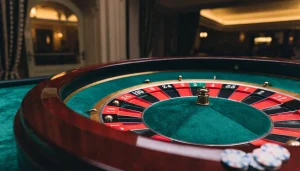
American Roulette at UK Online Casinos: Rules and Odds
The double-zero wheel changes the table layout and the odds behind familiar roulette bets. The...

Online European Roulette in UK Casinos: Rules and Odds
A practical guide to European roulette, from its single-zero wheel and payouts to live play,...

Online Casino Games for Real Cash in the UK
Learn how slot stakes and paylines shape outcomes, and why payout routes, licence status and...

Online Casino Tournaments UK: Free Entry Explained
Free-entry events remove the buy-in, while shared rules and comparable results keep the competition intact....

Online Casinos Without ID in the UK: What It Means
A UK licence requires identity and age checks, even when a casino does not request...

Penny Slots in the UK: Stakes, Free Play and RTP
A game’s penny label does not set its stake; this guide explains cash play, practice...

Plinko Casino UK: Games, Rules and Real-Money Play
Plinko labels can cover different casino formats, while a site's availability alone does not prove...

Progressive Slots Online in the UK: How They Work
Network pooling, jackpot triggers, RTP and bonus terms all affect how progressive slots work and...

UK Slot Casino Sites: Licensing, Costs and Play
Licensing, game providers, payout terms and account safeguards offer a clearer basis for assessing UK...